
Healthcare
Trained to Save Lives, Rarely Taught to Save Their Own
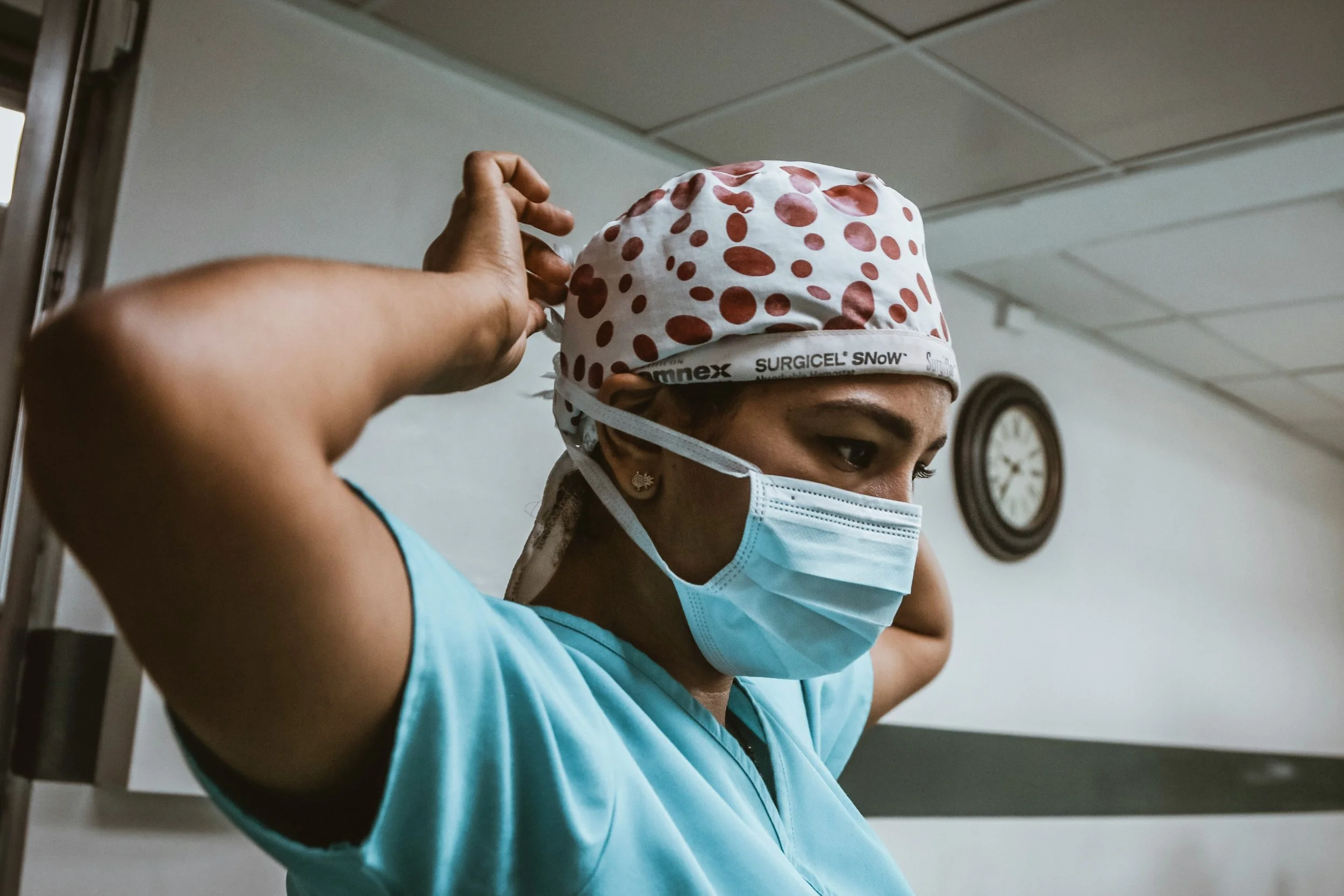
Nurses, EMTs, medical technicians, and paramedics don't get into healthcare because the work is easy. They get into it because someone needs them … often in the worst moment of that person's life. But being needed, shift after shift, without a way to process what you're carrying, has a cost. It shows up as exhaustion that a good night's sleep doesn't fix, as a kind of numbness toward patients you used to feel deeply for, and eventually, for many, as a reason to leave the profession altogether.
The numbers back up what healthcare workers already know in their bodies. In a 2025 survey from Joyce University, 74% of nurses said they feel emotionally drained multiple times a week, and 53% said they'd seriously considered leaving the profession at least monthly over the past six months. The 2024 National Nursing Workforce Study found that 41.3% of RNs planning to leave or retire within five years pointed to stress and burnout as a driving reason. Nearly half struggle to sleep on work nights because of the job, and close to half worry weekly about making a medication error simply from being overwhelmed.
EMTs and paramedics carry an even heavier trauma load. Approximately 20% and 25% of EMS professionals experience PTSD,
compared with roughly 7–12% of the general population over a lifetime — and 42% report active burnout. Nearly 37% of firefighters and EMS personnel say they've contemplated suicide. These aren't statistics about weak people. They're statistics about what happens when a nervous system absorbs other people's worst days without a way to reset.
This is where trauma-informed, mind-body practice earns its place — not as a wellness perk, but as an operational necessity. Simple, evidence-based tools (breathwork, grounding, nervous-system regulation techniques) give healthcare workers something concrete to do with the stress response before it turns into burnout, compassion fatigue, or a decision to leave the bedside altogether. Regulated clinicians make fewer errors, communicate more clearly under pressure, and recover faster between hard cases — which means better care for patients and a longer, more sustainable career for the people providing it.